
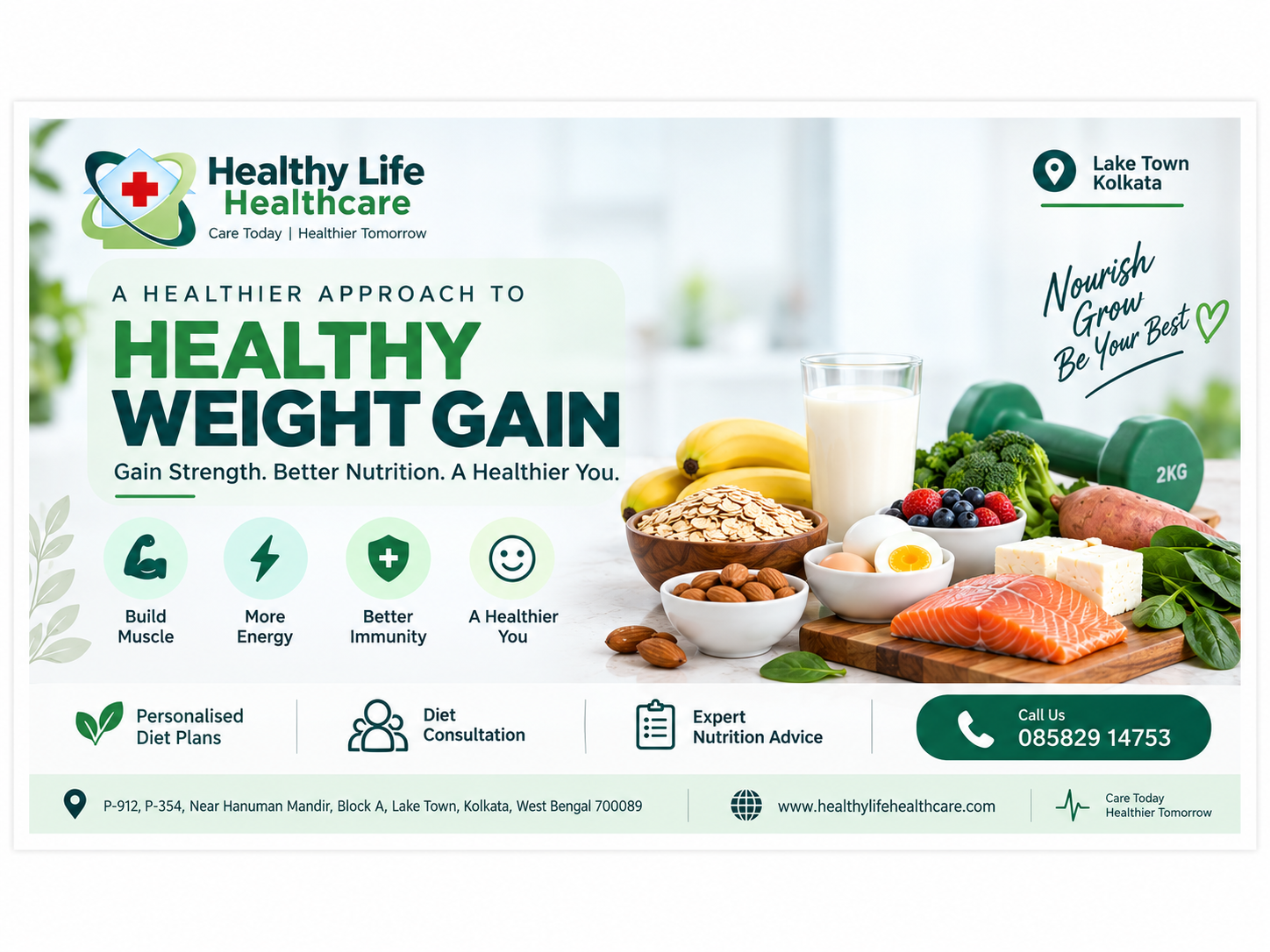
Understanding Healthy Weight Gain: Diet, Nutrition and Lifestyle Tips
Gaining weight in a healthy way is not simply about eating more food. The body needs a balanced combination of calories, protein, carbohydrates, healthy fats, vitamins, minerals, and fluids. For some people, gaining weight can be difficult because of low appetite, irregular eating habits, high physical activity, stress, recovery from illness, or other individual factors.
A healthy approach to weight gain focuses on improving overall nutrition rather than relying on fast food, sweets, sugary drinks, or highly processed foods. Nutritional needs are different for every person, so a suitable diet should consider age, body size, activity level, food preferences, and overall health.
Why Healthy Weight Gain Matters
Maintaining an appropriate weight is an important part of overall nutrition. Consistently eating too little may make it difficult to meet the body's nutritional requirements. Unplanned or unexplained weight loss may also sometimes require medical evaluation.
On the other hand, gaining weight by regularly eating fried foods, sweets, sugary beverages, and processed snacks may increase calorie intake without providing balanced nutrition.
The aim should be to gradually improve food quality and eating habits while meeting individual nutritional needs.
Common Reasons for Difficulty Gaining Weight
There can be several reasons why a person finds it difficult to gain weight:
-
Low appetite
-
Skipping meals
-
Irregular eating schedules
-
Busy work or study routines
-
High levels of physical activity
-
Stress or changes in lifestyle
-
Recovery after an illness
-
Digestive or absorption problems
-
Certain medications or medical conditions
Persistent or unexplained weight loss should be discussed with a qualified healthcare professional rather than being managed through diet changes alone.
Nutritious Foods That May Support Healthy Weight Gain
A balanced weight gain diet can include foods that provide both energy and essential nutrients.
Protein-Rich Foods
Protein plays an important role in maintaining and developing muscle tissue. Depending on dietary preferences, options can include:
-
Eggs
-
Milk and curd
-
Paneer
-
Fish
-
Chicken
-
Dal and lentils
-
Soy and tofu
-
Chickpeas
-
Kidney beans
-
Nuts and seeds
Individual protein requirements vary according to factors such as age, body size, physical activity, and health status.
Healthy Carbohydrate Sources
Carbohydrates provide energy for daily activities. Common Indian foods include:
-
Rice
-
Roti and chapati
-
Oats
-
Poha
-
Upma
-
Dalia
-
Potatoes
-
Sweet potatoes
-
Whole-grain bread
Combining carbohydrates with protein and vegetables can help create a more balanced meal.
Healthy Sources of Fat
Healthy fats can add energy and nutrients to meals. Suitable options may include:
-
Almonds
-
Walnuts
-
Peanuts
-
Sesame seeds
-
Flaxseeds
-
Chia seeds
-
Peanut butter
-
Avocado
-
Vegetable oils in appropriate quantities
Because fats are energy-dense, appropriate portions are still important.
Healthy Snack Ideas for Weight Gain
People who find it difficult to eat large meals may benefit from nutritious snacks between meals.
Some simple options include:
-
Banana with peanut butter
-
Fruit with curd
-
Nuts and seeds
-
Homemade fruit smoothies
-
Paneer sandwiches
-
Roasted chana
-
Sprouts
-
Milk with oats and fruit
These foods can help add nutrients to the daily diet without depending heavily on processed snacks.
Foods and Eating Habits to Limit
Healthy weight gain does not mean eating unlimited amounts of high-calorie junk food.
It is better to limit excessive consumption of:
-
Sugary soft drinks
-
Highly sweetened beverages
-
Deep-fried snacks
-
Highly processed packaged foods
-
Excessive sweets and desserts
-
Frequent fast-food meals
-
Foods high in unhealthy fats
Such foods can provide calories but may not provide adequate protein, fibre, vitamins, and minerals.
Practical Indian Diet Tips for Healthy Weight Gain
Eat Regularly
Skipping meals can make it difficult to meet daily nutritional requirements. If large meals are uncomfortable, smaller meals with nutritious snacks may be easier for some people.
Add Nutritious Ingredients to Familiar Foods
Healthy weight gain does not require completely changing your usual Indian diet. You can add nuts or seeds to oats and curd, include paneer or eggs with meals, or add dal, fish, chicken, beans, or soy according to your dietary preferences.
Choose a Nutritious Breakfast
Breakfast can be an opportunity to include several important nutrients. Options may include vegetable poha with peanuts, eggs with roti, oats with milk and fruit, paneer sandwiches, or dalia with milk and nuts.
Include Protein in Main Meals
Try to include a protein-rich food with lunch and dinner. Dal, paneer, eggs, fish, chicken, beans, and soy are practical options for many Indian diets.
Stay Physically Active
Appropriate physical activity, including strength-based exercise when suitable, may help support muscle development. Exercise should be adapted to your age, fitness level, and health condition.
Maintain Good Sleep and Hydration
Adequate sleep, regular hydration, and a consistent daily routine are also important parts of maintaining overall health.
Common Weight Gain Mistakes to Avoid
Several common habits can make healthy weight gain more difficult:
-
Depending mainly on junk food
-
Eating very large meals suddenly
-
Skipping meals and overeating later
-
Not including enough protein
-
Avoiding fruits and vegetables
-
Taking supplements without professional advice
-
Copying someone else's diet plan
-
Ignoring unexplained weight loss
There is no single diet plan suitable for everyone. A personalised approach should take into account individual nutritional requirements, lifestyle, activity level, food preferences, and relevant health information.
When Should You Seek Professional Diet and Nutrition Advice?
Professional diet consultation may be appropriate if you have difficulty gaining weight despite eating regularly, experience persistent appetite problems, notice unexplained weight changes, or require nutritional support during recovery.
A qualified dietitian or healthcare professional can review your eating pattern and provide practical nutrition advice based on your individual needs.
People with conditions such as diabetes, kidney disease, digestive disorders, food allergies, or other medical concerns should seek professional advice before making major dietary changes.
Healthy Weight Gain in Kolkata
For people searching for diet care in Kolkata, a practical diet plan should fit local food habits and everyday lifestyle. Traditional foods such as rice, roti, dal, fish, eggs, paneer, vegetables, curd, fruits, nuts, and seeds can all be incorporated into a balanced eating pattern where appropriate.
At Healthy Life Healthcare in Lake Town, Kolkata, individuals can discuss their nutritional concerns and dietary requirements with qualified healthcare professionals. Personalised advice can be particularly useful when weight changes are persistent or when other health concerns are present.
Conclusion
Healthy weight gain is a gradual process that focuses on adequate nutrition rather than simply eating more calories. Including protein-rich foods, nutritious carbohydrates, healthy fats, fruits, vegetables, and regular meals can help create a balanced eating pattern.
Avoid relying mainly on junk food or unverified supplements, and seek professional guidance when weight changes are unexplained or when you have specific medical or nutritional concerns.
If you are looking for diet care in Kolkata, a diet plan in Kolkata, nutrition advice, or diet consultation near Lake Town, Healthy Life Healthcare can help you discuss an appropriate approach based on your individual nutritional needs.
Healthy Life Healthcare
P-912, P-354, Near Hanuman Mandir,
Block A, Lake Town, Kolkata, West Bengal 700089
Phone: 085829 14753
Website: healthylifehealthcare.com
