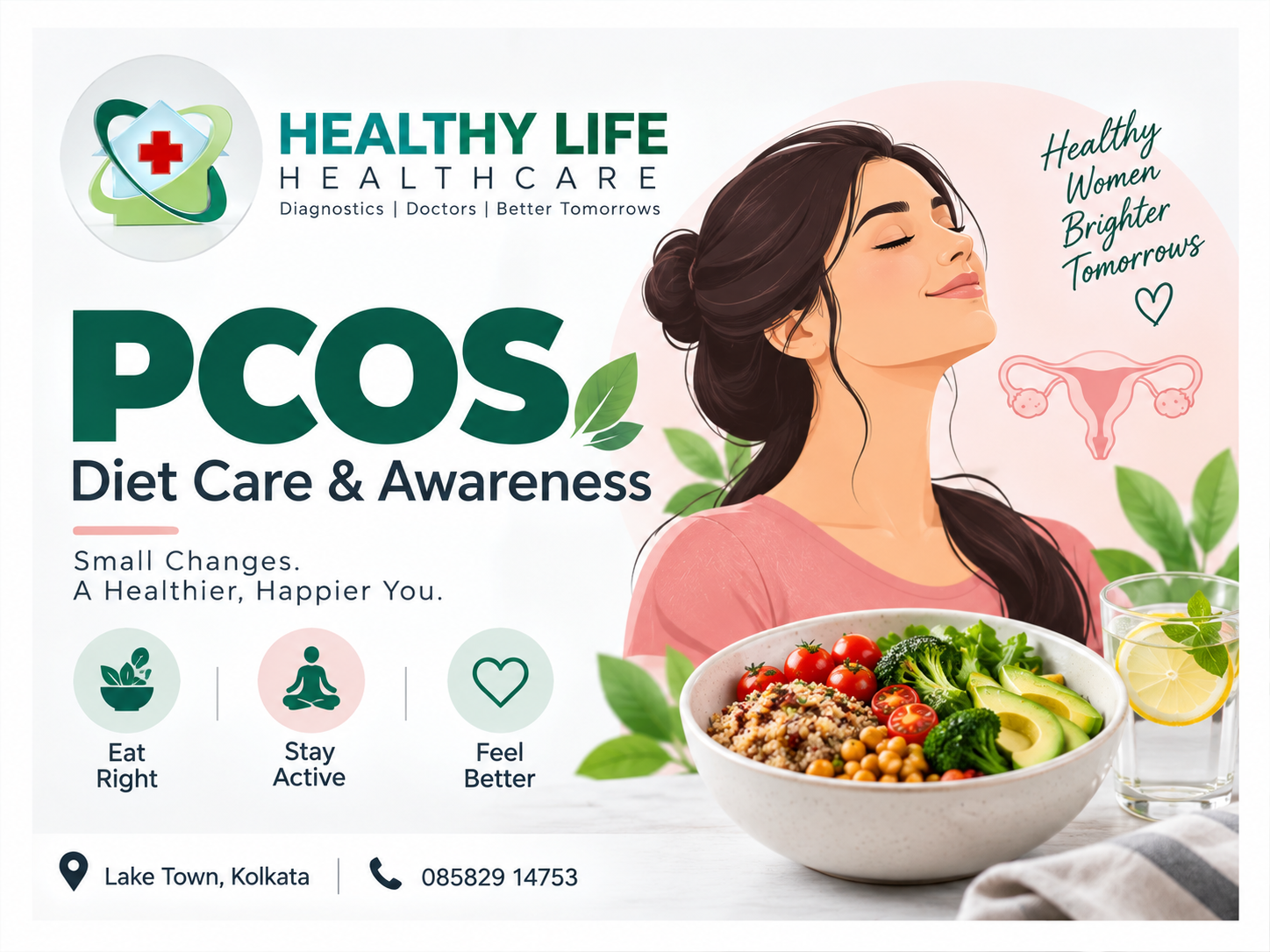
Polycystic Ovary Syndrome (PCOS) is much more than an irregular-period problem. For many women, it can affect menstruation, fertility, skin, hair, weight, metabolism, confidence and emotional well-being. Yet PCOS is also a condition that can be managed with appropriate medical care, sustainable lifestyle habits and better awareness.
For women in India, understanding PCOS diet care is particularly important because food habits are closely connected with family traditions, work schedules, cultural practices and changing urban lifestyles. A healthy PCOS diet does not mean giving up every food you enjoy or following an extreme diet. It means building eating habits that are nutritious, practical and sustainable for your individual needs.
According to the World Health Organization, PCOS affects an estimated 10–13% of women of reproductive age globally, and many affected women remain undiagnosed. PCOS is associated with reproductive, metabolic and psychological concerns, making awareness and long-term care important.
What Is PCOS?
Polycystic Ovary Syndrome is a common hormonal and metabolic condition that can affect women during their reproductive years and beyond.
Some women with PCOS may experience:
- Irregular or missed periods
- Difficulty with ovulation
- Difficulty becoming pregnant
- Acne or oily skin
- Excess facial or body hair
- Hair thinning
- Weight changes
- Metabolic problems
However, PCOS does not look the same in every woman. One woman may mainly experience irregular periods, while another may struggle with acne, excess hair growth, metabolic problems or fertility concerns.
PCOS is also not simply about having ovarian cysts. The diagnosis is based on specific clinical and laboratory criteria after other possible causes have been considered.
PCOS in the Indian Population
PCOS has received increasing attention in India because of its impact on reproductive and metabolic health.
A systematic review and meta-analysis of Indian studies found substantial variation in reported PCOS prevalence depending on the diagnostic criteria used. The pooled prevalence across the included studies was approximately 11.3%, while estimates differed considerably according to diagnostic criteria. This variation demonstrates why PCOS statistics should be interpreted carefully rather than applying one number to every Indian woman.
The important message is not simply the number of women affected. It is the need for early recognition, appropriate diagnosis and long-term health management.
Why Does Diet Matter in PCOS?
Food is not a magic cure for PCOS, and there is no single "PCOS diet" that works for every woman.
The 2023 International Evidence-Based Guideline for PCOS states that there is currently no evidence that one particular dietary composition is superior to another for hormonal, metabolic, reproductive or psychological outcomes. Instead, sustainable healthy eating should be adapted to a person's preferences, nutritional needs and goals.
This is an important point because women with PCOS are often exposed to extreme diet advice online.
One person may recommend eliminating rice. Another may recommend avoiding all carbohydrates. Someone else may promote a juice cleanse or fasting plan.
Such approaches are not automatically appropriate.
For an Indian woman, a balanced diet can include familiar foods such as vegetables, pulses, dal, whole grains, fruits, nuts, seeds and appropriate protein sources. The objective is to improve overall dietary quality rather than create unnecessary food fear.
What Should a PCOS-Friendly Diet Look Like?
A practical PCOS diet plan should focus on balance, variety and consistency.
1. Choose More High-Fibre Foods
Vegetables, fruits, pulses, beans and whole grains can help increase dietary fibre.
Indian dietary guidance emphasizes variety and recommends incorporating vegetables, fruits, whole grains and pulses as part of a balanced diet.
Examples include:
- Green leafy vegetables
- Lauki and other seasonal vegetables
- Beans
- Chickpeas
- Rajma
- Dal
- Oats
- Whole wheat
- Brown rice
- Millets, where suitable
The goal is not to completely eliminate rice or roti. Portion size, food quality and the overall meal pattern matter.
2. Include Adequate Protein
Protein can help make meals more satisfying and supports the body's normal functions.
Depending on individual dietary preferences, protein sources may include:
- Dal
- Chana
- Rajma
- Soy products
- Paneer
- Curd
- Eggs
- Fish
- Chicken
- Nuts and seeds
Vegetarian women can also obtain protein through combinations of pulses, dairy or fortified alternatives, soy and other plant-based foods.
3. Be Mindful of Highly Processed Foods
Frequent consumption of foods high in added sugar, unhealthy fats and excess calories can make it more difficult to maintain a balanced eating pattern.
This does not mean that a woman with PCOS can never enjoy sweets, desserts or restaurant food.
A sustainable approach is more realistic than an extremely restrictive one.
WHO recommends healthy diets based around a variety of minimally processed and unprocessed foods, with moderation of foods high in unhealthy fats, free sugars and sodium.
PCOS and Weight: A More Sensitive Conversation
PCOS is often discussed almost entirely through the lens of weight. That can make women feel blamed for their condition.
This approach needs to change.
The international PCOS guideline specifically emphasizes avoiding weight stigma and recognizes that healthy lifestyle behaviours can provide benefits even without weight loss. For women who are overweight, individualized weight-management strategies may provide additional health benefits, but the goal should be based on the person's health needs rather than social pressure.
A woman with PCOS who has a normal body weight also benefits from healthy eating, physical activity, good sleep and appropriate medical care.
PCOS is not a failure of willpower.
It is a complex condition involving hormonal and metabolic factors.
Exercise Is Part of PCOS Care
Diet is only one part of the picture.
Regular physical activity can support overall metabolic health, cardiovascular health, fitness and emotional well-being. The international guideline does not identify one particular exercise type as universally superior for PCOS. Sustainable physical activity based on personal preference and ability is encouraged.
For some women, this may mean:
- Brisk walking
- Cycling
- Swimming
- Strength training
- Yoga
- Dancing
- Home workouts
The best activity is often the one that can realistically become part of everyday life.
Why PCOS Awareness Matters for Young Women
PCOS symptoms can sometimes begin during adolescence or early adulthood. Irregular periods should not always be dismissed as "normal" without considering age, menstrual history and other factors.
At the same time, not every irregular period means PCOS.
This is why self-diagnosis through social media is not advisable.
A healthcare professional can assess menstrual history, symptoms, medical history and appropriate investigations before reaching a diagnosis.
Early recognition can also provide an opportunity to discuss metabolic health, reproductive goals, nutrition, physical activity and emotional well-being.
PCOS and Mental Well-Being
PCOS can affect more than physical health.
Concerns about acne, unwanted hair growth, weight, fertility or irregular periods can affect confidence and quality of life. The international guideline recognizes increased psychological concerns among women with PCOS and recommends attention to emotional well-being as part of comprehensive care.
A woman with PCOS should not feel that she has to manage everything alone.
Family support, professional medical guidance and appropriate nutrition counselling can make lifestyle changes easier to maintain.
PCOS Diet Care in Kolkata
For women searching for PCOS diet care in Kolkata, the first step should be understanding that there is no universal meal plan suitable for every person.
A personalized approach may consider:
- Age
- Dietary preferences
- Menstrual pattern
- Physical activity
- Existing medical conditions
- Weight and metabolic health
- Food allergies or intolerances
- Vegetarian or non-vegetarian preferences
- Pregnancy or fertility plans
- Daily work and lifestyle schedule
For women in Lake Town, Kolkata and nearby areas, discussing PCOS-related nutrition with a qualified healthcare professional or dietitian can help turn general online advice into a practical eating plan.
Building a Sustainable PCOS Lifestyle
Instead of trying to change everything in one day, start with manageable habits.
For example:
Week 1: Add more vegetables to regular meals.
Week 2: Improve breakfast quality.
Week 3: Include a consistent source of protein.
Week 4: Add regular walking or another enjoyable physical activity.
Small changes that continue for months are often more useful than an extreme diet followed for only a few days.
The ICMR-National Institute of Nutrition's Dietary Guidelines for Indians 2024 also emphasize dietary diversity, balanced nutrition and physical activity as foundations of healthy living.
Final Thoughts
PCOS deserves awareness without fear.
A diagnosis of PCOS does not mean that a woman has to stop enjoying Indian food, follow an extreme weight-loss programme or blame herself for every symptom. It means understanding her body, identifying her individual health needs and developing sustainable habits with appropriate professional guidance.
PCOS diet care is not about eating less. It is about eating better, consistently and appropriately for your body.
For women in Kolkata looking for reliable information about PCOS diet care, women's health and diagnostic support, Healthy Life Healthcare can serve as a local healthcare resource in Lake Town, Kolkata.
The most important step is to avoid self-diagnosis and extreme diets. If you have irregular periods, fertility concerns, persistent acne, excess facial hair, unexplained weight changes or other symptoms associated with PCOS, speak with a qualified healthcare professional.
Back to Blogs