
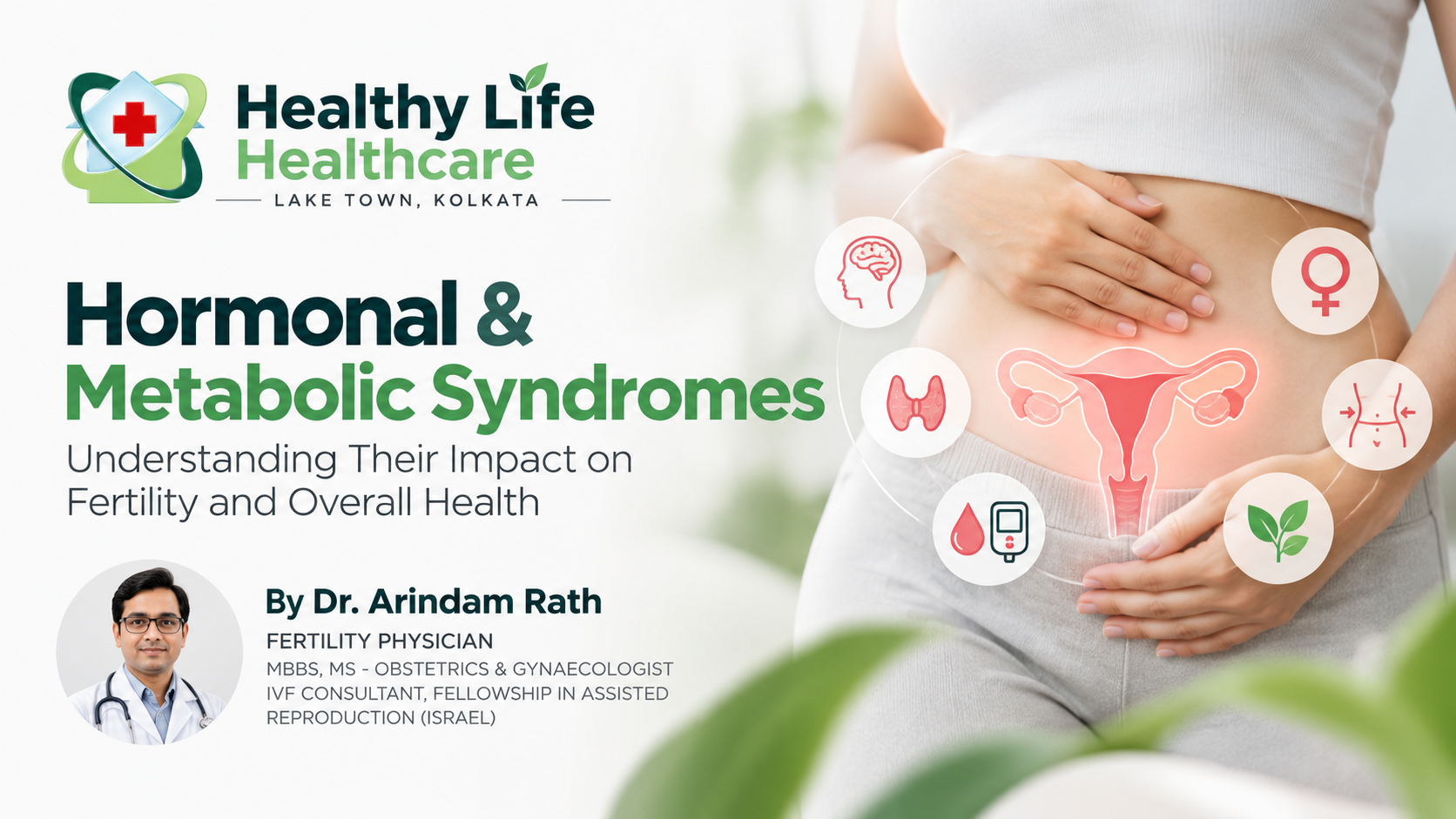
Introduction: When Hormones and Metabolism Fall Out of Balance
Our bodies depend on a delicate balance of hormones and metabolic processes to function properly. Hormones regulate menstrual cycles, fertility, energy levels, sleep, mood, body weight and many other essential functions. When this balance is disturbed, it can affect a person's physical health, emotional well-being and ability to conceive.
Hormonal and metabolic syndromes are increasingly discussed in India, particularly among women experiencing irregular periods, unexplained weight gain, acne, excessive hair growth or difficulty becoming pregnant. Conditions such as Polycystic Ovary Syndrome (PCOS), insulin resistance, thyroid disorders and metabolic syndrome may contribute to these symptoms.
However, experiencing one or more symptoms does not automatically mean that someone has a hormonal disorder. The right approach begins with understanding the symptoms, identifying the underlying cause and seeking appropriate medical advice.
For individuals and families in Kolkata, timely health assessments and access to reliable diagnostic services can support better health decisions.
What Are Hormonal and Metabolic Syndromes?
Hormonal disorders occur when the body produces too much or too little of a particular hormone, or when the body's tissues do not respond to it appropriately.
Metabolic disorders affect how the body processes and uses energy from food. They may influence blood sugar, cholesterol, blood pressure and body fat distribution.
These systems are closely connected. For example, insulin resistance can influence ovarian hormone production in some women with PCOS. Similarly, thyroid dysfunction can affect menstrual regularity, energy levels and reproductive health.
Some common conditions associated with hormonal and metabolic imbalance include:
-
Polycystic Ovary Syndrome (PCOS)
-
Insulin resistance and prediabetes
-
Thyroid disorders, including hypothyroidism
-
Metabolic syndrome
-
Certain hormone-related causes of menstrual irregularities
-
Obesity-related metabolic complications
Understanding these conditions helps patients recognise when symptoms deserve medical attention.
PCOS: A Common Concern for Women of Reproductive Age
Polycystic Ovary Syndrome, commonly known as PCOS, is a hormonal condition that can affect women during their reproductive years. It may influence ovulation, menstrual cycles and the body's response to insulin.
Common symptoms include irregular or missed periods, acne, excessive facial or body hair, scalp hair thinning and difficulty conceiving. Some women also experience weight gain, although PCOS can occur in women of different body sizes.
PCOS is not simply an ovarian problem. It can involve interactions between reproductive hormones, insulin regulation and other metabolic processes.
Diagnosis generally involves a medical history, physical assessment and appropriate investigations. Depending on the individual, a doctor may recommend hormone tests, blood glucose assessment or an ultrasound examination. An ultrasound alone is not sufficient to diagnose PCOS in every patient.
The good news is that PCOS can often be managed effectively with an individualised treatment plan. Depending on symptoms and pregnancy goals, treatment may include lifestyle changes, medication or fertility treatment.
Insulin Resistance and Its Connection to Fertility
Insulin helps the body move glucose from the bloodstream into cells, where it can be used for energy. Insulin resistance occurs when the body's cells respond less effectively to insulin.
To compensate, the body may produce more insulin. Over time, this can contribute to elevated blood glucose and increase the risk of developing type 2 diabetes.
In some women, insulin resistance is associated with PCOS and may contribute to irregular ovulation. This can make conception more difficult, although the relationship varies from person to person.
Symptoms are not always obvious. Some people have no noticeable warning signs until a routine health assessment identifies elevated blood glucose.
Depending on a person's risk factors and medical history, a healthcare professional may recommend fasting blood glucose, HbA1c testing or other appropriate investigations.
Early identification of metabolic risk can help patients and doctors develop a practical plan for improving long-term health.
Thyroid Disorders and Reproductive Health
The thyroid gland produces hormones that help regulate metabolism, body temperature, energy use and several other bodily functions.
An underactive thyroid, known as hypothyroidism, may cause fatigue, constipation, dry skin, weight changes and menstrual irregularities. An overactive thyroid can produce symptoms such as a racing heartbeat, tremors, anxiety and unexplained weight loss.
Thyroid dysfunction may also affect reproductive health. Untreated thyroid disorders can sometimes interfere with menstrual cycles, ovulation and pregnancy outcomes.
Women experiencing persistent menstrual changes or planning a pregnancy may benefit from discussing thyroid assessment with their doctor. Testing may include thyroid-stimulating hormone (TSH) and, when indicated, additional thyroid investigations.
Proper diagnosis and treatment can help manage thyroid-related symptoms and support preconception care when needed.
Recognising the Warning Signs
Hormonal and metabolic conditions do not affect everyone in the same way. Some symptoms develop gradually and may be mistaken for ordinary stress, ageing or lifestyle changes.
Consider consulting a qualified healthcare professional if you experience:
-
Repeatedly irregular or absent menstrual periods
-
Persistent unexplained weight changes
-
Unusual facial hair growth or severe acne
-
Ongoing fatigue or changes in energy levels
-
Excessive thirst or frequent urination
-
Difficulty conceiving after trying for pregnancy
-
A family history of diabetes or thyroid disease alongside relevant symptoms
These symptoms can have several possible causes. Professional evaluation is more useful than self-diagnosis based on online information.
How Lifestyle Changes Can Support Hormonal and Metabolic Health
Medical treatment is important when a hormonal or metabolic condition requires it. At the same time, sustainable lifestyle habits can play a valuable supporting role.
Choose balanced meals: Include vegetables, fruits, whole grains, pulses, appropriate protein sources and healthy fats. Limit frequent consumption of highly processed foods and sugary drinks.
Stay physically active: Regular walking, strength training or another suitable form of exercise can support insulin sensitivity, cardiovascular health and overall well-being.
Prioritise sleep: Consistent, adequate sleep supports general metabolic health and can help maintain healthy daily routines.
Manage stress: Relaxation exercises, mindfulness, hobbies and social support may help people cope with the emotional challenges of ongoing symptoms or fertility concerns.
Avoid unverified remedies: Hormone supplements, fertility products and restrictive diets should not replace evidence-based medical care. Discuss supplements and medicines with a qualified professional before using them.
Lifestyle recommendations should be tailored to the person's health status, preferences and treatment goals. Weight loss is not necessary or appropriate for every patient.
When Should You Seek Fertility Advice?
Difficulty conceiving can be emotionally challenging for individuals and couples. Hormonal conditions are one possible reason, but fertility may also be influenced by age, sperm health, fallopian tube function, uterine factors and other medical conditions.
Women younger than 35 are generally advised to seek an infertility evaluation after 12 months of regular unprotected intercourse without conception. Women aged 35 or older should generally seek evaluation after six months. Earlier consultation may be appropriate when periods are absent or very irregular, a known reproductive condition exists, or other risk factors are present.
An assessment may include menstrual and medical history, selected hormone investigations, ovulation assessment and other tests guided by the clinical findings. Both partners may need evaluation.
Depending on the diagnosis, treatment can range from ovulation-induction medication and other targeted interventions to assisted reproductive techniques such as IVF. Not everyone with PCOS or another hormonal condition needs IVF.
The objective is to identify the underlying problem and choose the most suitable treatment rather than assume that one approach works for everyone.
Diagnostic Support at Healthy Life Healthcare, Lake Town, Kolkata
Accurate diagnosis is an important step towards understanding hormonal and metabolic health. At Healthy Life Healthcare, Lake Town, Kolkata, patients can enquire about appropriate diagnostic services for investigations recommended by their treating healthcare professional.
Depending on the clinical requirement and services available, relevant investigations may include HbA1c testing, blood glucose assessment, thyroid function tests and other laboratory tests.
If you are searching online for hormone testing in Kolkata, thyroid testing in Lake Town, HbA1c testing in Kolkata or diagnostic services near Lake Town, consult the centre directly to confirm test availability, preparation requirements and reporting timelines.
Laboratory results should always be interpreted alongside symptoms, medical history and clinical examination. A test result by itself does not establish every hormonal or metabolic diagnosis.
Conclusion: Early Awareness Can Make a Difference
Hormonal and metabolic syndromes can affect many aspects of health, from everyday energy levels to menstrual regularity and fertility. Yet these conditions are often manageable when identified correctly and addressed with appropriate medical guidance.
The most important step is not to ignore persistent symptoms or blame yourself for changes in your body. Seek professional advice, complete recommended investigations and follow a treatment plan suited to your needs.
For individuals and families in Kolkata, greater awareness of PCOS, insulin resistance, thyroid disorders and metabolic health can encourage earlier assessment and more informed decisions about reproductive and long-term health.
Healthy Life Healthcare, Lake Town, Kolkata, encourages people to take a proactive approach to their health through appropriate diagnostic testing and consultation with qualified healthcare professionals.
Medical information disclaimer: This article is intended for general educational purposes and does not replace individual medical advice, diagnosis or treatment.
Author: Dr. Arindam Rath
Fertility Physician | MBBS, MS (Obstetrics & Gynaecology) | IVF Consultant | Fellowship in Assisted Reproduction (Israel)
