
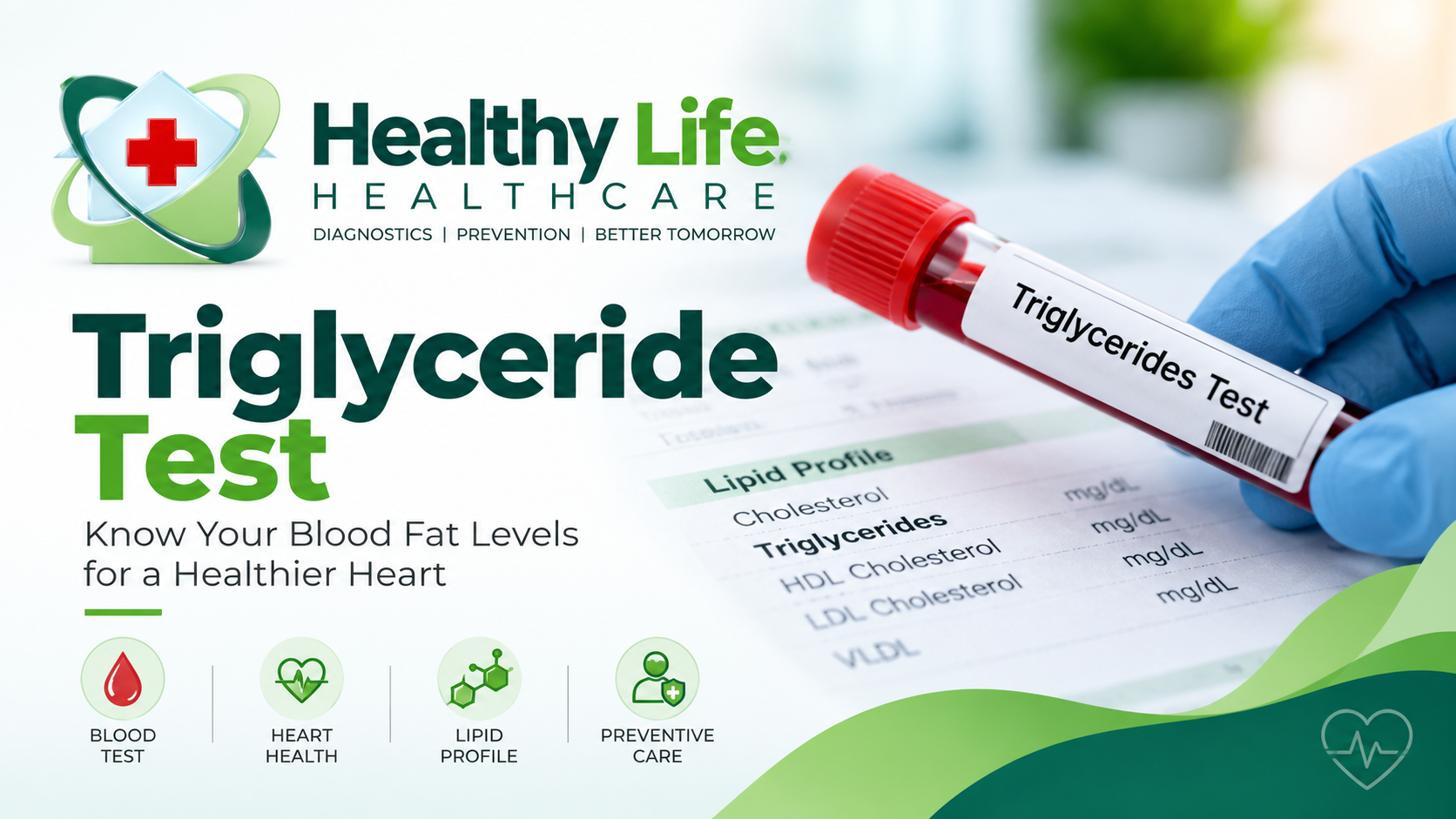
Introduction: A Small Blood Test That Can Tell You a Lot About Your Health
In today's busy lifestyle, many people in India spend long hours working, eat meals at irregular times, and find it difficult to maintain a consistent exercise routine. Fried snacks, sugary drinks, sweets, and highly processed foods are also common parts of modern eating habits. Over time, these lifestyle patterns may contribute to changes in blood fat levels and increase the risk of certain health problems.
One important health marker that often goes unnoticed is triglycerides.
Triglycerides are a type of fat found in your blood. Your body uses them as a source of energy, but persistently high levels may increase your risk of cardiovascular disease. Very high triglyceride levels can also increase the risk of acute pancreatitis, a potentially serious inflammation of the pancreas.
The good news is that a simple triglyceride blood test can help identify elevated levels and guide appropriate lifestyle changes or medical treatment.
For residents looking for a triglyceride test in Kolkata, Healthy Life Healthcare in Lake Town offers a local option for exploring diagnostic services and preventive health investigations.
What Are Triglycerides?
When you eat, your body converts some of the calories it does not immediately need into triglycerides. These fats are stored in fat cells and released when your body needs energy between meals.
Triglycerides are essential for normal bodily functions. However, having too much of this fat circulating in the blood may indicate an underlying metabolic problem or an unhealthy lifestyle pattern.
High triglyceride levels can occur alongside other conditions, including high cholesterol, diabetes, obesity, and high blood pressure. Together, these factors can increase a person's overall cardiovascular risk.
It is important to understand that triglycerides and cholesterol are not the same. Both are types of lipids, but they perform different functions in the body. A lipid profile test measures triglycerides along with cholesterol-related markers to provide a broader picture of your blood lipid levels.
What Is a Triglyceride Test?
A triglyceride test is a blood test that measures the amount of triglycerides circulating in your bloodstream. It is commonly included in a lipid profile test in Kolkata, which helps healthcare professionals assess cardiovascular risk.
The test usually involves collecting a small blood sample from a vein in your arm. The sample is then analysed in a laboratory.
Your doctor may recommend this test if you:
-
Have diabetes or prediabetes.
-
Have a family history of high cholesterol or cardiovascular disease.
-
Are overweight or have obesity.
-
Have high blood pressure or other cardiovascular risk factors.
-
Consume a diet high in added sugar or excess calories.
-
Need routine monitoring of an existing lipid disorder.
-
Are undergoing a preventive health checkup.
A triglyceride test may also be recommended when investigating certain metabolic conditions or monitoring the effects of treatment.
Understanding Your Triglyceride Test Results
For adults, commonly used triglyceride categories are as follows:
| Triglyceride level | Interpretation |
|---|---|
| Below 150 mg/dL | Normal |
| 150–199 mg/dL | Borderline high |
| 200–499 mg/dL | High |
| 500 mg/dL or above | Very high |
These categories are general reference ranges. Your laboratory may provide its own reference information, and your doctor will interpret the result alongside your overall health.
A high triglyceride result does not automatically mean you have heart disease. However, it may indicate a need for further assessment, lifestyle changes, or treatment.
Levels of 500 mg/dL or higher deserve prompt medical attention because the risk of pancreatitis increases, particularly as triglycerides rise further. Do not rely on diet changes alone when levels are very high.
Why Are High Triglycerides Becoming an Important Health Concern in India?
India is experiencing significant lifestyle changes. Urbanisation, desk-based employment, reduced physical activity, irregular sleep, and changing food habits can influence metabolic health.
For many families, traditional meals may be combined with frequent sweets, refined carbohydrates, sugary beverages, and calorie-dense snacks. These foods can contribute to elevated triglycerides when consumed in excess, particularly when combined with inactivity or other metabolic risk factors.
People with poorly controlled diabetes may also develop high triglyceride levels. Other possible causes include hypothyroidism, kidney disease, certain medicines, and genetic conditions.
This is why checking triglycerides can be a useful part of a personalised heart health assessment.
For people living in Kolkata, including Lake Town, Sreebhumi, Bangur, Dum Dum, Nagerbazar, and nearby areas, a preventive health assessment may help identify risk factors before complications develop.
Do High Triglycerides Cause Symptoms?
One of the most important facts about high triglycerides is that they usually do not cause noticeable symptoms.
A person may feel perfectly healthy while their blood triglyceride level is elevated. This is one reason laboratory testing can be useful for people with relevant risk factors.
Very high triglyceride levels may cause complications such as acute pancreatitis. Severe abdominal pain, particularly when accompanied by vomiting, requires urgent medical assessment.
You should not wait for symptoms before discussing appropriate screening with your healthcare professional.
How Can You Reduce High Triglyceride Levels Naturally?
Lifestyle changes can make a meaningful difference to triglyceride levels for many people. The right approach depends on your test results, medical history, and overall cardiovascular risk.
1. Reduce Added Sugar
Frequent consumption of sugary drinks, sweets, desserts, and packaged beverages can contribute to elevated triglycerides. Try choosing water instead of sugary drinks and keeping added sugar intake moderate.
2. Choose Balanced Indian Meals
You do not need to abandon traditional Indian food to support your heart health. Include vegetables, pulses, whole grains, and suitable protein sources in your meals.
Control portion sizes and limit frequent consumption of deep-fried foods, refined carbohydrates, and excess calories.
3. Stay Physically Active
Walking, cycling, swimming, and other suitable forms of exercise can support healthier triglyceride levels and improve overall metabolic health.
Many adults can work towards at least 150 minutes of moderate-intensity physical activity per week, provided this is appropriate for their health and abilities.
4. Maintain a Healthy Weight
If you have excess body weight, gradual and sustainable weight loss may help lower triglycerides. Avoid crash diets and seek professional guidance if you need help creating a suitable eating plan.
5. Avoid Tobacco and Limit Alcohol
Avoid tobacco use. Alcohol can raise triglycerides, sometimes substantially, especially in people who are susceptible to high levels. Avoiding alcohol is particularly important when triglycerides are very high.
6. Manage Existing Health Conditions
Controlling diabetes, treating hypothyroidism when present, and reviewing medicines with your doctor may help address underlying causes of elevated triglycerides.
Some people also need prescription medication to lower their levels. Never stop prescribed medicines or begin supplements without appropriate medical advice.
Is Fasting Required Before a Triglyceride Test?
Fasting requirements depend on why the test is being performed and the instructions of the healthcare professional or laboratory.
A non-fasting lipid profile is appropriate in many routine situations. However, a fasting test may be requested when triglycerides need more precise assessment or when an earlier result was elevated.
If fasting is required, the laboratory will explain how long you should avoid food and whether plain water is permitted. Do not assume that fasting is necessary for every lipid profile.
When booking a triglyceride test in Lake Town, Kolkata, confirm the preparation instructions in advance to avoid delays or the need for repeat testing.
Why Choose Healthy Life Healthcare in Lake Town, Kolkata?
Choosing a convenient diagnostic centre can make preventive healthcare easier to manage. Healthy Life Healthcare serves the Lake Town community and provides a local point of contact for people exploring diagnostic investigations.
If you need a triglyceride blood test, cholesterol test, lipid profile, or other health investigations, contact Healthy Life Healthcare to confirm current test availability, pricing, preparation requirements, and report timelines.
Residents of Lake Town, Sreebhumi, Bangur, Dum Dum, Nagerbazar, and surrounding Kolkata neighbourhoods can consider discussing their testing needs with the centre and consulting a qualified healthcare professional about the appropriate next steps.
A laboratory report is only one part of the process. Understanding your results and deciding whether you need lifestyle changes, further investigations, or medical treatment are equally important.
Conclusion: Take a Practical Step Towards Better Heart Health
Your heart works continuously to support your everyday life. Taking care of it does not always require dramatic lifestyle changes. Sometimes, it begins with understanding your health, making informed food choices, staying active, and completing the right tests at the right time.
A triglyceride test can provide useful information about your metabolic health, particularly if you have diabetes, a family history of cardiovascular disease, or other relevant risk factors.
If you are searching for a triglyceride test in Kolkata, explore the diagnostic services available at Healthy Life Healthcare, Lake Town, and speak with a healthcare professional about which tests are appropriate for you.
Do not wait for a health problem to remind you that your wellbeing matters. Start with awareness, follow medical advice, and build habits that support a healthier future for you and your family.
Frequently Asked Questions
1. Where can I get a triglyceride test in Kolkata?
You can contact Healthy Life Healthcare in Lake Town, Kolkata, to enquire about triglyceride testing, lipid profiles, pricing, and preparation instructions.
2. What is the normal triglyceride level?
For adults, a fasting triglyceride level below 150 mg/dL is generally considered normal. Your doctor should interpret your result in the context of your overall health.
3. Can high triglycerides be reduced naturally?
For many people, reducing added sugar, improving food choices, exercising regularly, managing weight, and limiting alcohol can help. Very high levels may require medical treatment.
4. Is a triglyceride test included in a lipid profile?
Yes. A standard lipid profile generally measures triglycerides, total cholesterol, HDL cholesterol, and LDL cholesterol or related calculated values.
5. How often should I check my triglycerides?
Testing frequency depends on your age, risk factors, previous results, medical conditions, and treatment. Follow your healthcare professional's recommendations.
Back to Blogs